

Why Choose a Wooden Palette?
A wooden palette is a classic option for artists. It is easy to clean and sturdy. It allows mixing colors well.
Raw wood palettes need to be cleaned by drying oils, such as linseed. After each use, you should wipe the palette.
Mont Marte sells a high-quality one. It's flat and has a thumbhole.
They are easy to clean
The wooden palette is one of the oldest mixing surfaces use by artists. It may even be older than painting itself. They are easy to clean and can be used with acrylics, oil paints, and alkyds. They are light and have a natural-looking finish. They are easily transported. They also have a great grip so you can comfortably hold them when painting.
It is crucial to keep a wooden pallet in good condition. It is best if you wipe it down using a dry or paper cloth after every use. This will help prevent the accumulation of dried paint. If you do this frequently you will leave less mess to clean up at end of your session. This will also save you time scraping paint off the edges of your palette.
A great way to clean a wooden palette is to make use of a kitchen towel or a paper rag dipped in paint thinner. This will get rid of the majority of the paint, and then you can wipe it down with a clean cloth paper towel. Be careful not to apply too much solvent or you may damage the palette. You can also use soft brushes to remove the remaining paint.
Many artists prefer a wooden palette, as they are more durable than plastic or glass. pallets near me can get a wooden palette with a handle to allow you to hold it as you paint. You can buy one at a paint store or online. Many of them are also cheap. Some even have a nice finish that makes them look like art!
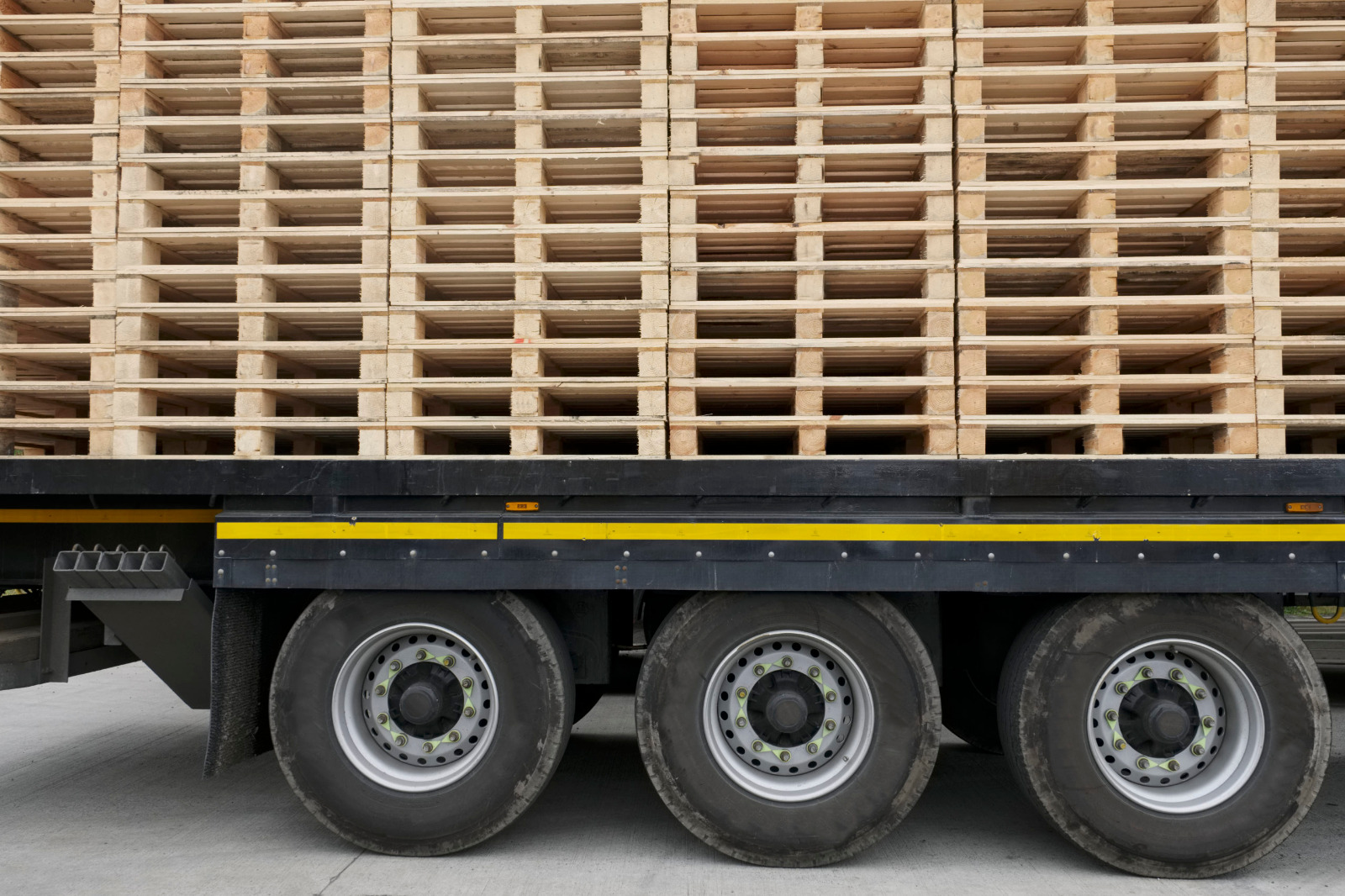
You can also buy an extra safe for your palette that helps keep your paints fresh and moist for the next session. If you intend to paint more than once per day, and especially if using oil paints, it's worth investing in a palette safe. This will keep your palette from getting dry and sticky, and can save you a lot of time when cleaning.
They are a good place to mix paints
If you use oil paints wooden palettes are an excellent surface to work on. As opposed to porcelain or glass it's not scratched or damaged. It also doesn't absorb paints and is easy to clean. It's also lightweight and robust. This makes it an ideal option for painting in the car. A wooden palette is also an ideal tool to paint on an easel. It is large enough to fit the canvas, and it has an opening for your thumb.
A wooden palette can keep paint wet over the duration of. A high-quality wooden palette can be used for a number of days before beginning to dry out, saving both time and paint. The surface is also smooth and easy to work on. Some artists prefer to use traditional wooden palettes for oil painting because they look beautiful and look more natural than glass.
A glass or ceramic palette is less expensive, but can harm paints and damage the surface. It's also not as lightweight and may break down with time like a wooden palette. It's a great idea to cover a glass or ceramic pallet with a sheet mid-value toned paper if you intend to use it. This will help you perceive the colors more precisely when mixing them.
A wooden palette is a fantastic option to work with acrylics, oil paints and alkyds. It's a classic, elegant, and sturdy option for any artist and comes available in multiple styles and sizes. It is essential to find a palette to suit your style and needs regardless of whether you're professional or amateur.
To make wooden palettes less absorbent they can be easily sealed or condition. Rub the surface with the linseed with a rag. This will shield the palette from potential damage and make it easier to wipe off wet paints and stains. This is a good practice to perform after each painting session. This will keep your palette in good shape for years to be.
The material is strong and durable.
A wooden palette is a robust surface to mix paints. It is light, strong and has a natural warm brown tone that helps to make the colors look more realistic when applied on canvas. This makes it a great option for oil paints, alkyds and acrylics with a thick body. Wooden palettes come with a variety of sizes and shapes to meet different painting needs. A majority of wooden palettes feature a thumbhole for holding the palette while painting.
A well-constructed, solid wooden palette will last for a long time, and may even develop a gorgeous patina. If you don't care for your palette it can get squishy and wrinkled. The best way to keep your palette in good condition is to wipe it with dry oil after every use. This will fill the holes on the surface, letting your brush hairs glide across it without getting stuck. There are many drying oils to choose from, including linseed poppy, walnut, and safflower.
Begin by pouring a small amount of linseed oil onto the palette, and then using a lint-free cloth (painting rag) to rub it across the entire surface. Apply as much oil as the palette can take and then gently wipe away the rest. A thin layer of oil will dry within a week and create a smooth, durable surface that is resistant to solvents and paint. Be careful not to apply a heavy layer of oil as this will prevent the palette from absorbing paint and can lead to wrinkling and sticky areas that could last for years.
They are an excellent investment
A wooden palette is an excellent investment for those who work with oil paints. It is lightweight and sturdy, with a larger surface than a paper or plastic palette. It is also available in a variety of sizes and shapes. These palettes can be used to paint outdoors or on an easel. The surface is easy-to-clean and durable, which means it can last for many years.
To make a wooden palette, begin by pouring the Linseed oil into the center of the palette. Then, using a rag, rub it onto the surface of the palette. The oil will absorb and create a glassy finish. It takes about one week for the oil to fully dry. The oil will protect the surface and keep brush hairs from becoming stuck in the grain.
Many of the wooden palettes available for purchase are fully-finished, but even unfinished wood can be conditioned by wiping it with drying oils after each use. The oil will fill the tiny gaps on the wood surface and smooth it so that the brush glides smooth across it. It also helps seal the palette from solvent and water damage.
A wooden palette that has been well-treated will eventually be coated with a shiny, glassy finish. It will be more durable than a plastic or paper palette. It will become an item to be collected and a joy to work with for many years to come. You can even purchase an antique-looking palette patina to increase the appeal.